Ancient Briton Hotel
New Zealand
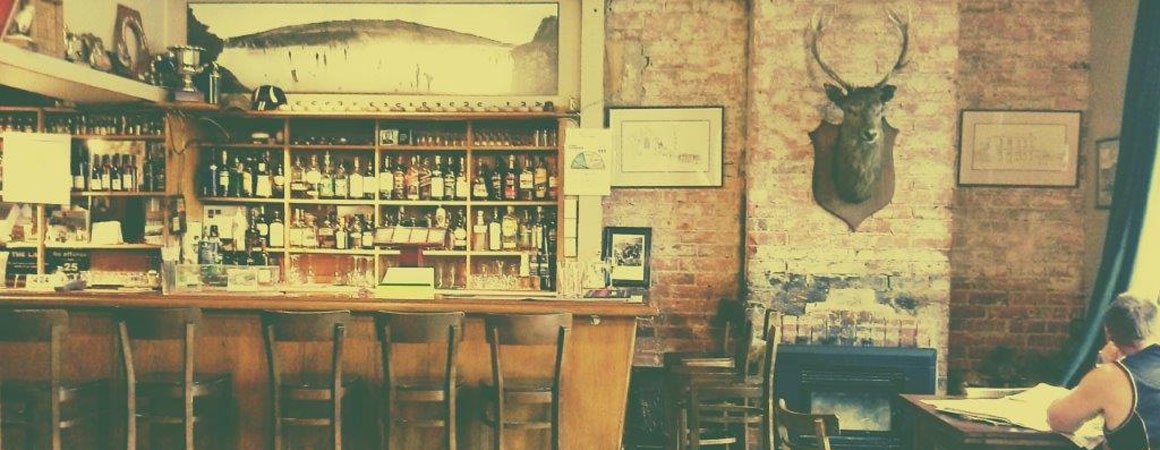
Founded in the 1860s, still retains its gold-mining heritage. was established to service the gold-miners who flocked to Central Otago to seek their fortunes and today it is one of the last truly authentic 'Central' towns, unspoiled by the passage of time.
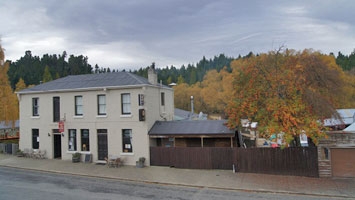
Built in 1863, the Ancient Briton was 's first hotel and today it is one of only two remaining hotels in the town. For the weary miners, high-country shepherds and curlers it was a sanctuary offering respite from the cold and today it is still the town's social and cultural hub.
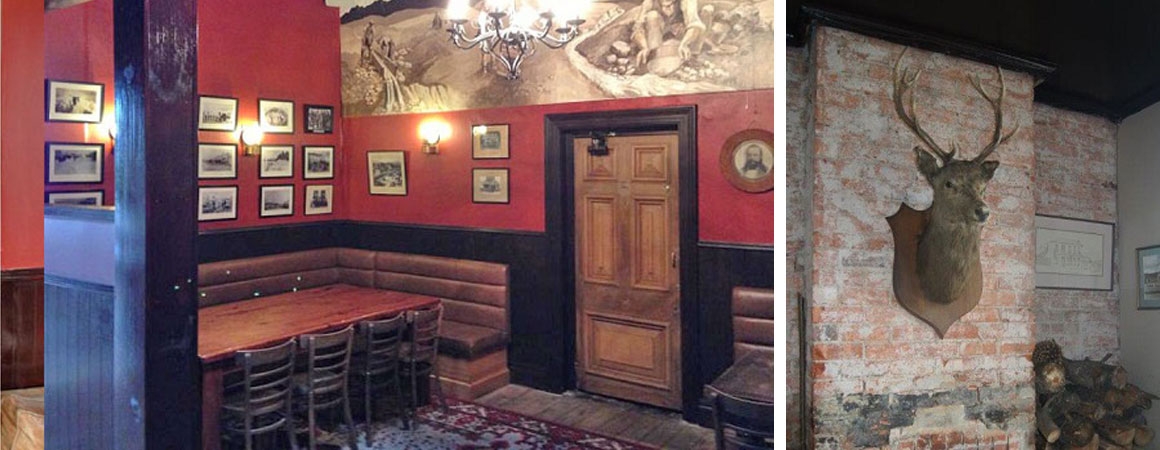
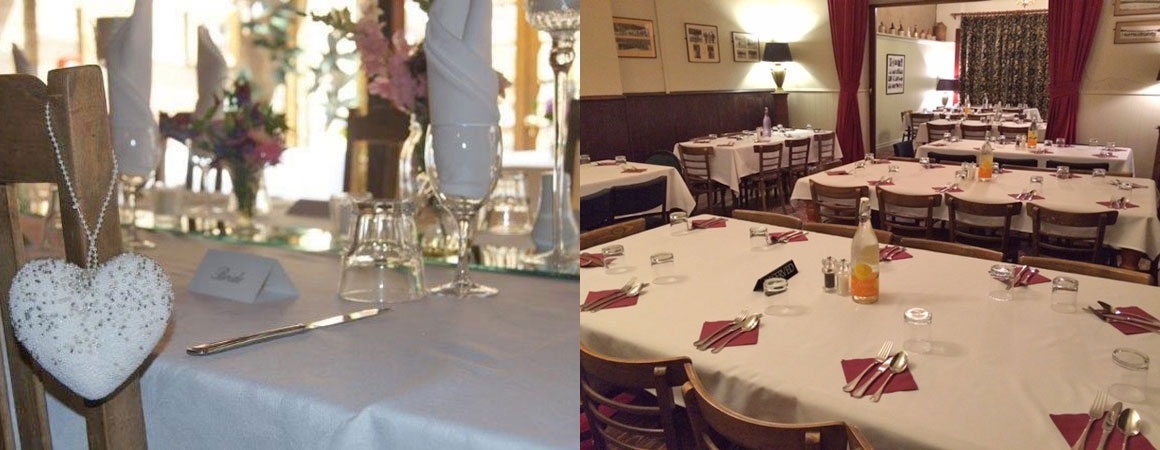
The hotel has been renovated tastefully yet still reflects the old gold-mining charm. The bar and restaurant has 5 fireplaces and seats up to 80 people, offering some private enclaves for socialising and dining.
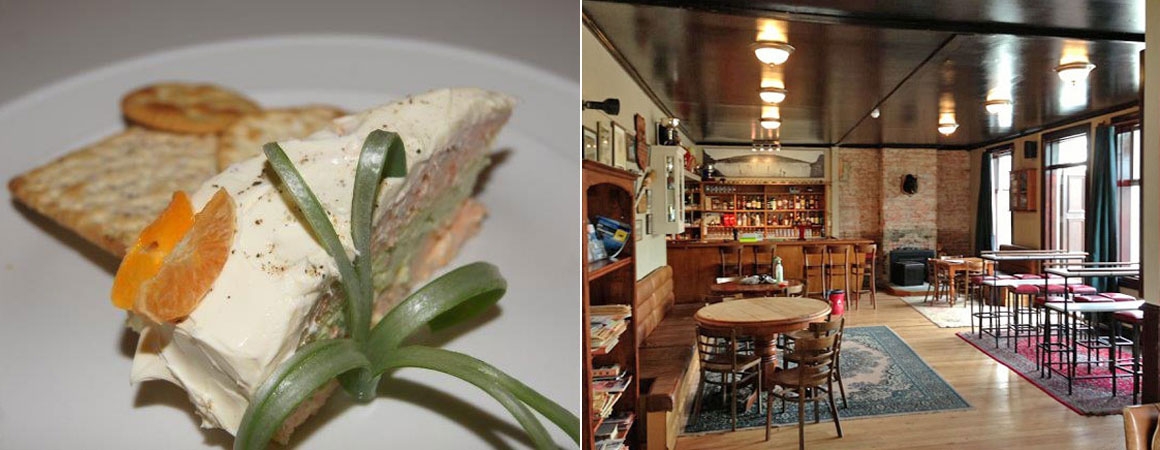
Local beers and wines are available with a delicious contemporary dining experience with a seasonal menu and coffee. We have flatscreen televisions, Sky tv in the bar and an outdoor garden bar with a private grassed area, well sheltered with trees or umbrellas for dining.
We cater for conferences, car clubs, motor bike groups and other functions which can be held in the function room or Garden Bar in warmer weather.
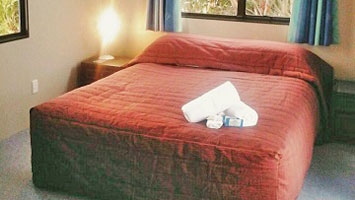
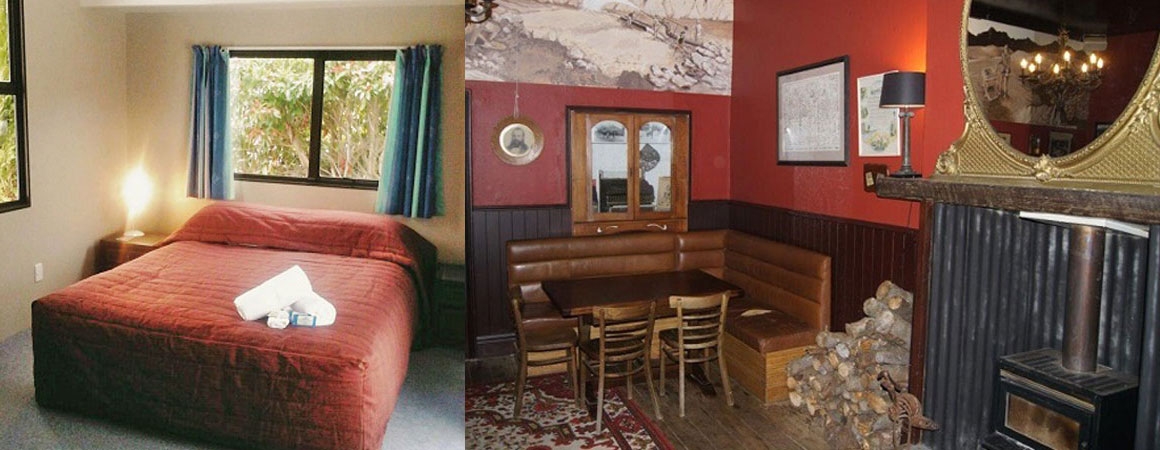
We offer an authentic historic experience with accommodation for up to 35 people. There are two Studio Units at the rear of the hotel, one with a kitchenette. We have another 12 rooms in a Lodge adjacent which have ensuite or shared bathrooms. Free WiFi is available in the hotel.
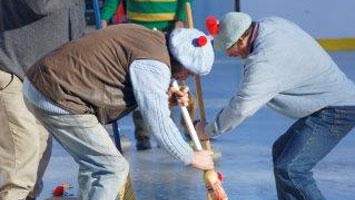
You can enjoy curling, mountain biking, lugeing, skating, visiting museums, dog sledding, golfing, hunting or fishing in this beautiful mountain area. Enquire about our accommodation/curling packages where we can book your curling for you.